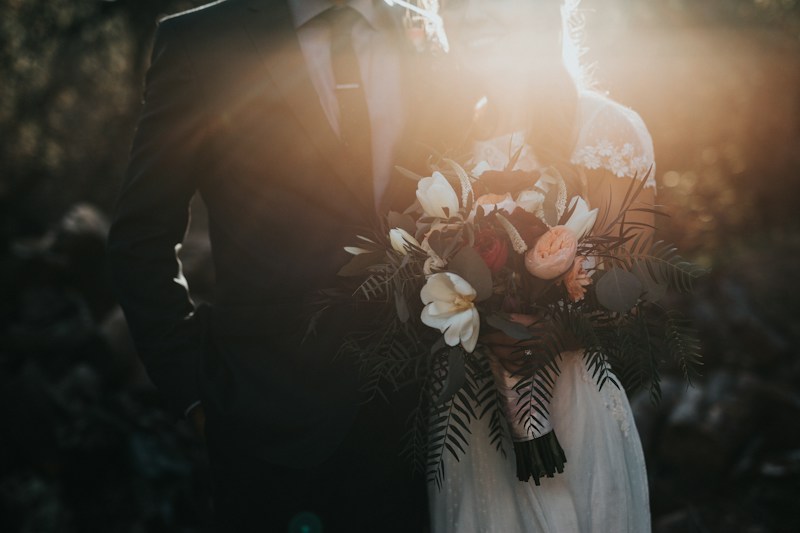
In an era where sustainability is no longer a niche choice but a lifestyle, UK couples are reimagining what it means to host a "big day." From locally grown wildflowers to carbon-neutral catering, eco-friendly wedding planning has moved beyond brown paper and twine into a realm of sophisticated, high-end design.
According to recent industry data, over 70% of couples now consider sustainability a priority when planning their nuptials. However, "going green" doesn't mean compromising on style. In this guide, we’ll explore the hottest eco-friendly wedding trends hitting the UK scene this year and provide practical steps to help you reduce your event's footprint without losing the flair.
1. The Rise of the 'Mindful Micro-Wedding'
While large-scale celebrations are back, a significant trend for 2024 and 2025 is the intentional reduction of guest lists to lessen environmental impact. Fewer guests mean less travel (the DNA of a wedding's carbon footprint), less food waste, and higher quality, sustainable choices for the remaining attendees.
The Impact of Guest Count
Did you know the average UK wedding produces 14.5 tonnes of CO2? Reducing your guest list from 120 to 60 can nearly halve your event's carbon emissions instantly.
2. 'Slow Floristry' and Grown-Not-Flown Blooms
The traditional wedding industry often relies on flowers flown in from thousands of miles away, preserved with chemicals. British couples are now embracing the "Slow Flower" movement. This means working with the seasons and sourcing blooms from local UK flower farms.
Key Floral Trends:
- Living Aisles: Using potted trees, ferns, and herbs that can be replanted in your garden after the wedding.
- Dried Installations: Using naturally dried UK flowers that guests can take home as long-lasting mementos.
- Foam-Free Design: Moving away from floral foam (which is non-biodegradable and contains microplastics) in favour of chicken wire and reusable vials.
If you're looking for florists who specialise in sustainable arrangements, you can browse local experts using our Wedding Vendor Directory.
3. Circular Wedding Fashion
The "once-worn" stigma is officially dead. Eco-conscious brides and grooms are looking toward the circular economy to source their wedding attire.
What’s Trending in Eco-Fashion:
- Vintage and Pre-loved: Shopping at high-end boutiques like Bridal Reloved or using platforms like Stillwhite.
- Rental Revolution: Hiring suits and bridesmaid dresses is the gold standard for sustainability.
- Sustainable Fabrics: Designers are increasingly using Ahimsa (Peace) silk, Tencel, and recycled lace.
Pro Tip: After your wedding, consider donating or reselling your dress to keep the cycle going. Alternatively, many UK seamstresses can "upcycle" your gown into a cocktail dress or even a christening gown for the future.
4. Zero-Waste Catering & Conscious Menus
Food is often the biggest source of waste at a wedding. The latest trend sees couples working closely with caterers to create "closed-loop" dining experiences.
| Traditional Choice | Eco-Friendly Alternative |
|---|---|
| Imported Beef/Lamb | Seasonal, Plant-Forward, or Locally Sourced Venison |
| Plated 3-Course Meal | Family-Style Sharing Platters (Reduces plate waste) |
| Open Bar with Plastic Cups | Glassware Hire or Biodegradable Alternatives |
| Buffet style | Controlled stations to prevent over-catering |
Many UK venues are now partnering with "wonky veg" suppliers and local dairies to ensure that every ingredient has a story of provenance. If you aren't sure where to start with your budget, use our Free Wedding Planner tools to allocate funds toward a sustainable caterer.
5. Stationary: From Seed Paper to Digital Delights
Paper waste is a major concern. The "Digital First" trend is booming, with many couples opting for luxury wedding websites instead of multi-page paper suites. For those who love the tactile feel of paper, Seed Paper is the ultimate trend—invitations that your guests can plant to grow wildflowers or herbs.
"Sustainability isn't about being perfect; it's about making intentional choices that reflect your values as a couple."
6. Eco-Tech: Moving Beyond the Physical
Emerging trends for the coming years include the use of AI and technology to streamline the planning process and reduce physical materials. From AR (Augmented Reality) floor plans to virtual guestbooks, the digital transformation of weddings is a win for the planet.
Not sure which eco-trends fit your personal style? Take our Wedding Vendor Quiz to get matched with pros who share your green ethos.
7. Sustainable Favours and Gifts
The days of plastic-wrapped sugared almonds are over. Modern couples are choosing gifts that give back or disappear:
- Charity Donations: A card at each table explaining that a donation has been made to a conservation or climate charity.
- Edible Favours: Locally produced honey, artisanal jams, or home-baked treats in glass jars.
- Carbon Offsetting: Some couples are now calculating the travel emissions of their guests and "gifting" a forest plantation to offset the total.
Practical Steps to Start Your Eco-Journey
Feeling overwhelmed? You don't have to change everything at once. Focus on these three pillars first:
- Venue: Choose a venue that already has strong green credentials (solar power, composting, on-site accommodation to reduce travel).
- Travel: Provide a shuttle bus for guests from the local train station to reduce the number of individual cars on the road.
- Registry: Use a honeymoon fund or a "sustainable home" registry rather than asking for physical items you may not need.
Conclusion: The Future is Green
Eco-friendly wedding planning is no longer a "trend"—it is the future of the UK wedding industry. By choosing local, seasonal, and circular options, you aren't just celebrating your love for each other; you're celebrating your respect for the world around you. Ready to start planning your sustainable celebration? Head over to our Wedding Planning Dashboard to keep all your eco-tasks in one place.