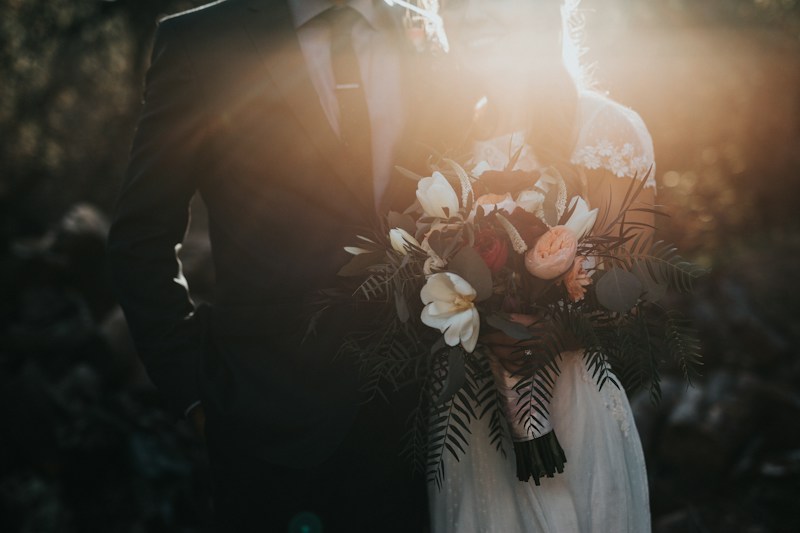
Spring 2026 is set to be a season of olfactory delight and visual rebellion. As we move away from the structured minimalism of previous years, UK couples are embracing wilder textures, "living" installations, and a palette that celebrates the vibrant rebirth of the British countryside.
The Evolution of Spring Florals
In the past, spring weddings were synonymous with pastel pink peonies and simple tulips. However, for 2026, the trend is shifting towards "Romantic Maximalism." We are seeing a move towards high-impact, sensory-led floral design that prioritises movement and scent over perfect symmetry. If you're currently in the early stages of planning, our online wedding planner can help you categorise your flower budget to accommodate these breathtaking new styles.
Quick Summary: What's "In" for Spring 2026?
- Scent-First Design: Prioritising Lilacs, Hyacinths, and Sweet Peas.
- Fruit & Flora: Incorporating citrus and berries into centerpieces.
- Monobloom Bouquets: Single-flower varieties for a modern look.
- Grounded Arches: Floor-based floral installations that grow upwards.
1. The Rise of "Scented Landscapes"
For Spring 2026, it’s not just about how the flowers look, but how they make a room feel—and smell. Couples are working with florists to create bespoke "scent profiles" for their ceremonies. Imagine walking down the aisle through a cloud of Lily of the Valley and Stocks.
To achieve this, UK florists are leaning heavily into seasonal English blooms. By focusing on local, seasonal flowers, the natural fragrance is more potent than imported varieties. It’s also a more sustainable choice, which remains a top priority for modern couples. You can find local, sustainable florists using our wedding vendor quiz to match with experts in your region.
2. The "Living Room" Aesthetic
Traditional pedestal arrangements are being replaced by installations that look as though they have sprouted naturally from the venue's architecture. We call this the "Living Room" trend—where florals mimic the comfort and organic feel of a lush garden.
Grounded Meadow Aisles
Instead of flowers tied to chair ends, imagine "meadows" lining the aisle floor. These arrangements create an immersive experience for guests and look incredible in photography. After the ceremony, these modular pieces can be moved to the front of the top table or the edge of the dancefloor.
3. Fruit, Veg, and Flora
One of the most exciting emerging trends for 2026 is the integration of edible elements into floral décor. For a spring wedding, this means clusters of green grapes, sliced lemons, or even small bowls of strawberries tucked into table runners. This adds a Dutch Still Life quality to your tablescapes, offering texture and a pop of unexpected colour.
| Floral Trend | Best Spring Flower Pairing | The Vibe |
|---|---|---|
| Fruit & Flora | Ranunculus & Kumquats | Artistic & Abundant |
| Monobloom | White Anthuriums | Architectural & Chic |
| Wild Hedgerow | Hawthorn & Spirea | Rustic & Whimsical |
4. Colour Forecast: "The New Earth Tones"
While pastels will always have a place in spring, 2026 is introducing "Earth Tones with a Twist." Think terracotta paired with lavender, or muddy yellows (like mustard or ochre) paired with crisp white. These combinations feel more grounded and sophisticated than the standard "baby blue and pink" palettes of the past.
"The 2026 couple isn't afraid of a little clash. We’re seeing a lot of butter-yellow paired with deep violets—it’s high contrast but feels incredibly fresh and spring-like." — Independent UK Floral Designer.
5. Sustainable Artistry: The "No-Foam" Movement
Sustainability is no longer a trend; it is a standard. By Spring 2026, the use of floral foam (which contains microplastics) will be largely phased out by top-tier UK florists. Instead, designers are using "chicken wire" armatures and heavy kenzans (pin frogs) to create gravity-defying shapes.
This shift allows for "airier" arrangements with more negative space, allowing the individual beauty of a single poppy or tulip to shine rather than being packed into a dense ball of foam. If you're tracking your environmental impact, check out the sustainability tools in our free wedding planner.
6. Statement Monobloom Bouquets
For the minimalist bride or groom, the monobloom bouquet is making a huge comeback. This involves a bouquet made entirely of one type of flower in the same colour. A mass of fluffy white hydrangeas or a sleek bundle of long-stemmed Calla lilies creates a striking, high-fashion look that doesn't compete with the wedding attire.
Recommended Spring Monobloom Varieties:
- Sweet Peas: Best for a delicate, ruffly texture and amazing scent.
- Tulips: Use the "Parrot" or "Double" varieties for an avant-garde look.
- Lily of the Valley: The ultimate classic, popularized by royal weddings.
How to Plan Your 2026 Florals Today
Because these trends involve highly seasonal and often locally-grown blooms, it is vital to book your florist at least 12–18 months in advance. British flower farms have limited quantities of specialty varieties like "Café au Lait" dahlias or specific ruffled tulips.
Start by creating a mood board that focuses on the feeling rather than specific flowers. Show your florist your venue and your colour palette, and let their expertise guide the seasonal selection. For more inspiration and to start building your wedding dream team, visit our vendors section today.
Summary
Spring 2026 weddings in the UK will be defined by their connection to nature, their bold use of scent, and a departure from traditional "neatness." Whether you opt for a grounded meadow or a fruit-filled banquet table, the key is to embrace the beautiful imperfections of the season. Happy planning!