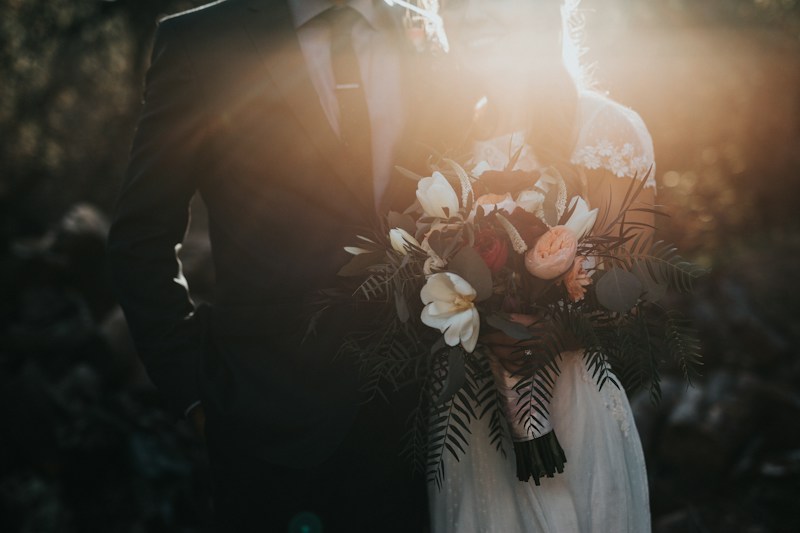
From the rolling hills of the Cotswolds to the historic streets of Edinburgh, the UK is a land steeped in wedding folklore. Whether you are planning a grand country house affair or an intimate urban ceremony, understanding British wedding traditions adds a layer of depth and charm to your special day.
Planning a wedding in the UK is a unique experience. We juggle unpredictable weather, navigate ancient laws, and often find ourselves debating the merits of fruitcake versus a modern naked sponge. In this guide, we’ll dive into the history behind our most beloved customs, look at how they are evolving in 2024, and provide seasonal advice for couples currently navigating their wedding planning checklist.
The Evolution of "Something Old, Something New"
Most UK couples are familiar with the 19th-century rhyme: "Something old, something new, something borrowed, something blue, and a silver sixpence in her shoe." Originally from Lancashire, this tradition remains a staple involving the bride's attire. Traditionally, these items symbolised continuity, optimism for the future, borrowed happiness, and purity.
Modern Twists:
- The Sixpence: While few brides actually walk down the aisle with a coin in their shoe anymore (ouch!), many now tuck a sixpence into their bouquet charms or have it sewn into the lining of their dress.
- Blue Hues: We are seeing a trend where 'something blue' is no longer a hidden garter. Modern UK brides are opting for dusty blue velvet heels or delicate sapphire hairpieces.
Pro Tip: Finding Your Style
Unsure which traditions fit your personality? Take our Wedding Vendor Quiz to find suppliers who specialise in traditional or contemporary British weddings.
The Legalities: Why We Still "Post the Banns"
Unlike many other countries, the UK has specific legal traditions regarding the announcement of a marriage. If you are getting married in the Church of England, you will likely have your 'Banns' read. This is a public announcement of your intent to marry, read out during three consecutive Sunday services in the parish where you live and where you are marrying.
For those opting for a civil ceremony at a licensed venue—such as the stunning Bodleian Library in Oxford or The Gallivant in East Sussex—you must ‘Give Notice’ at your local register office at least 29 days before the ceremony. This ensures there are no legal objections to the union.
Seasonal Focus: Winter Traditions in the UK
As we move into the colder months, UK weddings take on a cosy, dramatic atmosphere. Winter weddings are currently trending, particularly in historic venues like Hampton Court Palace or Edinburgh Castle, where the stone walls provide a majestic backdrop for candlelight.
The Rise of the "Winter Scotch" Bar
A burgeoning trend for UK winter weddings is the 'Whisky and Cigar' bar. Drawing on Scottish heritage (where "tying the knot" originated from the Handfasting custom), couples are providing warming local spirits to guests during the evening reception.
Planning for the UK Weather: If you're marrying between November and March, always have a 'Plan B' for photos. Ensure your venue has a grand staircase or a wood-panelled library so you don't have to brave the drizzle for your portraits.
Traditional British Wedding Roles
The UK wedding party has a distinct hierarchy compared to our American counterparts across the pond. Here’s a quick breakdown of the essential roles and what they traditionally entail:
| Role | Traditional Duty | Modern Trend |
|---|---|---|
| The Best Man | Guard the rings and deliver the potentially embarrassing speech. | Joint 'Best People' – including female or non-binary close friends. |
| Usher | Handing out orders of service and seating guests. | Acting as 'Grooms-maids' or helpers for both sides of the couple. |
| The Page Boy | Carrying the train or the rings (traditionally young relatives). | The "Flower Man" – adult friends bringing joy and petals down the aisle. |
The Wedding Breakfast: It’s Not Actually Breakfast
One of the most confusing terms for international guests is the "Wedding Breakfast." In the UK, this is the first meal the couple eats together after the ceremony, regardless of whether it takes place at 1:00 PM or 7:00 PM. Historically, the couple would have been fasting before the nuptials (especially for religious ceremonies), so this meal literally 'broke' their fast.
Traditional Menu vs. Current Trends
While the classic three-course roast beef or chicken remains popular in traditional country houses like Blenheim Palace, many couples are now opting for 'Family Style' dining. This involves large sharing platters placed in the centre of the table, encouraging guests to interact—a perfect solution for breaking the ice among different groups of friends.
"The modern British wedding is a tapestry of history and personality. Whether you choose a formal sit-down dinner or a fish-and-chip van, it’s the nod to heritage that makes it feel like home."
Handfasting: An Ancient Celtic Return
Originally a medieval practice in Scotland and northern England, 'Handfasting' is seeing a massive resurgence in the UK. This is where the couple's hands are tied together with cords or ribbons to symbolise their union (literally "tying the knot").
Couples often choose ribbons in their family tartans or colours that represent their journey. This is particularly popular for outdoor ceremonies in the Lake District or the Peak District, where the natural surroundings complement the pagan roots of the ritual.
Cake, Favours, and the "First Dance"
The British wedding cake has transformed from the heavy, alcohol-soaked fruitcake of the Victorian era. While the tradition of saving the top tier for a future christening still exists for some, most UK couples now choose multiple flavours, including lemon curd, elderflower, or even salted caramel.
The "Sugared Almond" Replacement
Gone are the days of five sugared almonds (representing health, wealth, happiness, fertility, and long life). Modern UK favours are far more bespoke. Think mini bottles of British gin, wildflower seeds for the garden, or personalised chocolates from local artisans.
Practical Tips for Planning Your UK Wedding
- Book Your Registrar Early: In the UK, you cannot get married without a licensed official. Popular dates (especially Saturdays in June and September) book up 12–18 months in advance.
- Transport Considerations: If your ceremony is in a village church but your reception is at a venue like Beaverbrook in Surrey, consider hiring a classic Routemaster bus. It’s a quintessential British touch that keeps your guests together.
- The Evening Guest List: A uniquely British tradition is the 'Evening Guest.' This allows you to invite extra friends and work colleagues to join the party after the formal dinner, keeping costs down while maximising the celebration.
Ready to Start Planning?
Whether you're looking for a castle in the Highlands or a chic London warehouse, the right team makes all the difference. Start by browsing our directory of trusted UK wedding vendors who know these traditions inside and out.
For more help staying organised, don't forget to download our free wedding planner, which includes a comprehensive budget tracker and guest list manager designed specifically for the UK market.
Closing Thoughts
UK wedding traditions are not rules—they are a toolkit. You can choose to follow them to the letter or give them a completely modern spin. The magic of a British wedding lies in that blend of 'old and new.' As you plan your day, remember that these customs are there to celebrate your story, surrounded by the history of the land you love.