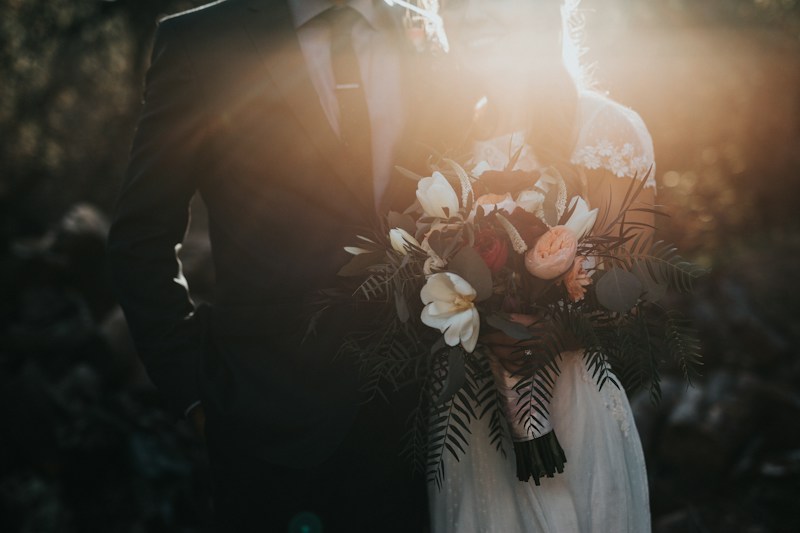
Finding 'The One' is one of the most exhilarating milestones in your wedding planning journey, but in a world of ever-evolving bridal fashion, it can also feel slightly overwhelming. From the rise of "anti-bride" aesthetics to the return of vintage-inspired maximalism, UK wedding dress shopping is currently experiencing a creative renaissance.
The State of Bridal Fashion in the UK: 2024 and Beyond
In recent years, we’ve seen a significant shift away from the traditional, rigid rules of bridal attire. British brides are increasingly prioritising personality, comfort, and sustainability. Whether you’re dreaming of a traditional church wedding in the Cotswolds or a chic city hall ceremony in London, the current trends reflect a desire for versatile, expressive fashion.
Quick Shopping Tip
Before you hit the boutiques, start by organising your logistics. Use our free wedding planner to track your budget and store contact details in one place.
Top Wedding Dress Trends Currently Dominating the UK
1. The "Basque" Waistline
The 2024/25 seasons are seeing a massive resurgence of the Basque waist. This silhouette dips below the natural waistline into a 'V' or 'U' shape, creating an elongated torso and a regal, Victorian-inspired feel. It’s perfect for brides who want a fairy-tale look with a sophisticated, modern edge.
2. The "Little White Dress" & The Second Look
More UK brides than ever are opting for two outfits. The "reception dress" or "party dress" is no longer just for celebrities. Short hemlines, feathered trims, and sequin-heavy mini dresses are trending for late-night dancing. This allows you to have a traditional garment for the ceremony and a functional, fun outfit for the party.
3. Colourful Florals and 3D Appliqué
While ivory remains the classic choice, subtle pops of colour are making waves. Think delicate pastel floral embroidery or 3D floral appliqués that seem to "bloom" off the fabric. This trend is particularly popular for spring and summer garden weddings.
4. Sustainable and Pre-Loved Luxury
Sustainability is more than a trend; it's a movement. Many UK brides are seeking out eco-conscious designers who use deadstock silk or recycled lace. The "pre-loved" market is also booming, with high-end designer gowns being passed on to new owners, reducing the environmental impact of the wedding industry.
Emerging Styles: What’s Next?
Looking ahead to the next couple of years, we are predicting a move toward "Regency-core" and "Quiet Luxury."
- Drop Waists: A 1920s-meets-1990s aesthetic that offers a relaxed, effortless silhouette.
- Heavy Satins: A departure from light tulles toward structured, architectural satins that scream sophistication.
- Statement Sleeves: From detachable puff sleeves to long, lace-gauntlet styles, sleeves are becoming the focal point of the gown.
Practical Advice for Your Shopping Journey
Navigating the Boutique Experience
In the UK, most bridal boutiques require appointments, especially on weekends. We recommend starting your search at least 9 to 12 months before your wedding date. Lead times for made-to-order gowns can be anywhere from 6 to 9 months, and you’ll need to allow time for alterations.
| Timeline | Action Required |
|---|---|
| 12 Months Out | Research styles and book initial boutique appointments. |
| 9-10 Months Out | Purchase your dress and pay the deposit. |
| 6 Months Out | Choose your accessories and shoes (needed for fittings). |
| 2-3 Months Out | First fitting (usually for length and bodice adjustments). |
| 4 Weeks Out | Final fitting and collection. |
How to Handle Trends Without Regret
While it’s tempting to follow every trend, the goal is to feel like the best version of *yourself*. If a trend feels like a "costume," it's probably not the right one. Consider using trends in your accessories—such as a trendy bow in your hair or a colourful veil—rather than committing the entire dress to a passing fad.
"The most beautiful dress a bride can wear is the one that makes her feel entirely herself. Trends provide inspiration, but your personal style provides the soul." - Senior Stylist at WeddingPlanner.expert
Budgeting for the Gown
Don't forget that the price tag on the dress isn't the final cost. In the UK, you should also budget for:
- Alterations: Usually ranging from £200 to £500 depending on complexity.
- Accessories: Veil, shoes, jewellery, and undergarments.
- Cleaning and Preservation: To keep your dress in pristine condition after the big day.
If you're unsure how much of your total wedding budget should go toward your attire, take our Wedding Vendor Quiz to get a tailored breakdown of costs based on your priorities.
Conclusion
Wedding dress shopping is a journey of self-discovery. Whether you lean into the latest trends like Basque waists and 3D florals, or stick to a timeless A-line silhouette, ensure your choice reflects your unique story. Ready to start your search? Head over to our online wedding planner to manage your checklists and keep your bridal appointments organised.
Happy shopping!